 PMA Award Winner

Are the Costs of Drayage Wrecking Your Booth Budget?
Nov 14th 2025
If you've ever exhibited at a trade show, you know the sinking feeling when the drayage invoice arrives. You budgeted carefully for booth design, graphics, and travel, but somehow those material handling fees have blown past your estimates by thousands of dollars. You're not the only one. The cost of Drayage remains one of the most misunderstood and underestimated expenses in the trade show world, catching even experienced exhibitors off guard.
Let's discuss how drayage costs can impact your booth budget and, more importantly, what you can do about it.
What Exactly Is Drayage?
Before we discuss this budget nightmare, let's get a clear understanding of what drayage means. Drayage is the transportation and handling of your exhibit materials from the loading dock to your booth space and then back again in the trade show industry. It sounds simple enough, but this short journey can cost more per pound than shipping your materials halfway across the country.
The drayage company, typically contracted by the convention center or show organizer, has exclusive rights to move your materials within the venue. You can't just roll up with a hand truck and move your own crates. The union workers handling your booth materials are professionals, and their services come at a premium price.e.
The Real Cost of Moving Your Booth
Here's where things get painful. Drayage charges are typically calculated by weight, with a minimum charge per hundred pounds (CWT). Rates can range from $90 to $200+ per CWT, depending on the show, location, and timing. If you've got a 2,000-pound booth, you're looking at anywhere from $1,800 to $4,000 just to move it from point A to point B within the same building.
But wait, there's more. Those rates are just the starting point. Advance rates apply only if you ship your materials early and complete your paperwork by the deadline. Miss that deadline, and you'll pay standard rates that can be 30 to 50 percent higher. Show up at the last minute with your materials? Welcome to premium or overtime rates that can double or even triple the base cost.
Then there are the add-ons that seem designed to catch you by surprise. Oversized crates, special handling for fragile items, storage fees, and labor charges for uncrating and re-crating can all pile onto your final bill. One exhibitor told me they were charged extra because their crate exceeded the standard dimensions by just three inches. That's right—three inches cost them an additional $4000.
Why Drayage Costs Keep Climbing
You might wonder why drayage costs seem to increase every year, often outpacing inflation. Several factors contribute to the steady rise in material handling fees.
Labor costs in major convention cities have increased significantly, particularly in union markets like Las Vegas, Chicago, and New York. These skilled workers deserve fair wages, but those costs get passed directly to exhibitors. Convention centers also operate as monopolies within their venues, meaning there's little competitive pressure to keep prices down.
The complexity of modern trade shows also plays a role. Today's exhibits are heavier and more sophisticated than ever before. Large LED screens, elaborate structures, and technology-heavy booths require more careful handling and specialized equipment. All of this translates to higher costs for exhibitors.
Insurance and liability concerns have also driven up prices. Drayage companies must protect themselves against damage claims, and those insurance costs get built into their rates. When you're moving millions of dollars' worth of exhibit materials through a single venue over a few days, the risk management becomes expensive.
The Hidden Costs Nobody Warns You About
Beyond the obvious weight-based charges, several hidden costs can ambush your budget if you're not prepared.
Storage fees kick in if your materials arrive too early or if you need to store empty crates during the show. Some venues charge daily storage rates that can add hundreds or thousands to your bill. One exhibitor reported paying $1,200 in storage fees simply because their shipment arrived on a weekend when the venue wasn't officially receiving materials.
Reconsignment fees apply when you need to redirect your shipment or change your receiving information after it's already in transit. This seemingly minor administrative change can cost $100 to $300 per shipment.
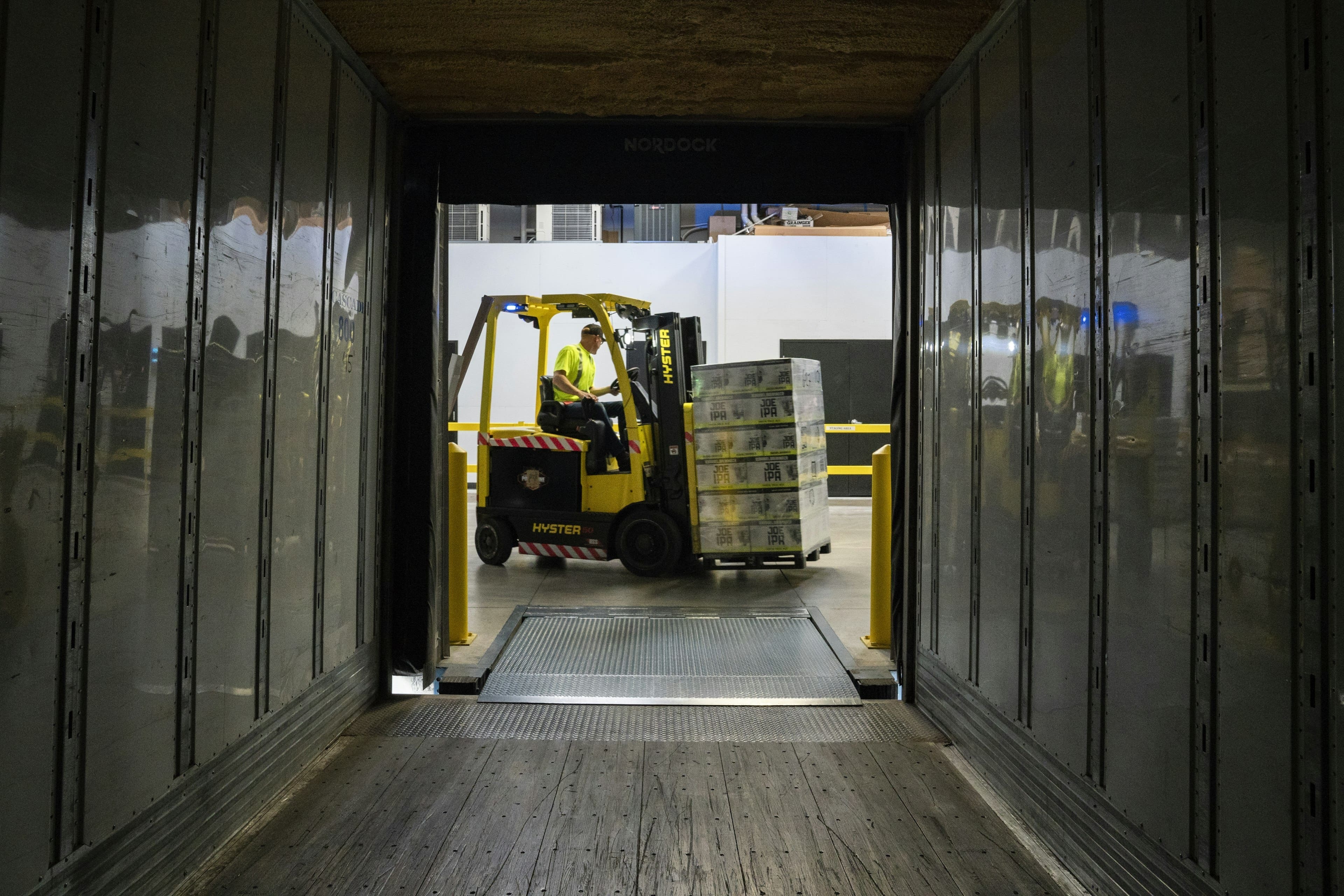
Special services like inside delivery, pad wrap service, or equipment rental (like a forklift to position a heavy exhibit element) all come with separate price tags. And if you need materials moved during non-standard hours, those overtime charges can devastate even the most carefully planned budget.
Smart Strategies to Control Drayage Costs
Now for the good news. While you can't eliminate drayage costs, you can definitely control them with smart planning and strategic decisions.
Design with weight in mind. Work with your exhibit house to create a booth that's both impactful and lightweight. Modern materials like aluminum extrusions, fabric graphics, and lightweight LED lighting can dramatically reduce your booth's overall weight without sacrificing visual impact. Every pound you eliminate is money saved.
Master the deadlines. Mark those advance shipping deadlines in red on your calendar and set reminders. Shipping early to capture advance rates can save you 30 to 50 percent on your total drayage costs. Yes, it requires more planning, but the savings are worth the effort.
Optimize your shipping strategy. Consider using a trade show shipping company that specializes in exhibit logistics. They understand drayage rules inside and out and can often negotiate better rates or help you avoid common pitfalls. They'll also handle all the paperwork, reducing risk of costly mistakes.
Consolidate your shipments. Instead of shipping multiple small crates, consolidate materials into fewer, larger shipments when possible. This can reduce your per-shipment fees and simplify the receiving process.
Go modular and portable. For smaller exhibits, consider portable displays that can travel as checked luggage or ship via standard carriers. While you'll still pay drayage on anything that goes to the booth, you can often reduce the total weight significantly. Some exhibitors have cut their drayage costs by 70 percent by switching to lightweight modular systems.
Please read the exhibitor manual carefully. I know, it's boring and filled with legalese, but that manual contains the exact rules, rates, and deadlines that will impact your costs. Set aside an hour to read it thoroughly and highlight the key dates and requirements.
Other Approaches Worth Considering
Some forward-thinking exhibitors have found creative ways to minimize drayage costs altogether.
Rental exhibits from local providers can eliminate shipping. You're still paying for the exhibit, but you avoid the drayage charges for getting it to the venue. For companies that exhibit infrequently or in many different markets, this approach can make financial sense.
Purchasing duplicate exhibits for different regions is another strategy used by companies with aggressive trade show schedules. They maintain East Coast and West Coast versions of their booth, dramatically reducing shipping distances and associated costs.
Some exhibitors have also embraced ultra-lightweight "kit" systems that ship via FedEx or UPS directly to the booth. While you'll still pay a small drayage fee for items delivered to your space, it's typically much less than traditional freight drayage.
Success Planning
The smartest way to manage drayage is to plan for it early before it ever becomes a problem. Get a quote as soon as you start budgeting for your next trade show and add a 15–20% cushion for the inevitable surprises.
After the show wraps up, take a few minutes to compare your estimated costs with what you actually spent. You’ll start spotting trends—like areas where you’re consistently overpaying or opportunities to trim costs for next time.
It also pays to build genuine relationships with your drayage partners. Even though rates are usually set in stone, experienced crews can offer helpful insight on things like timing, packaging, and how to streamline your shipping to save money.
The Bottom Line
Drayage doesn’t have to drain your event budget. If you plan strategically, design smartly, and stay proactive, you can keep these costs in check and put that money toward what really matters, like better graphics, engaging demos, or training your team.
The truth is, the drayage system isn’t changing anytime soon. But with knowledge, planning, and creativity, you can work within it instead of against it. Start building your next plan now, and you’ll see those line items become a manageable, predictable part of your show costs not a last-minute shock.
If you need more information on planning out your trade show booth, check out our guide to which type of booth is right for you! And don't hesitate to reach out to our team if we can be of assistance.